
Slow cookers are one of the easiest ways to get dinner on the table when you're short on time. With just a few basic ingredients and a little prep, you can let it cook while you take care of everything else.

They work well for soups, stews, roasts, and budget-friendly cuts of meat that need long, slow cooking. You can prep in the morning and come back to a hot meal without hovering over the stove. It's one of the kitchen appliances I reach for the most, I love using it for my slow cooker recipes like creamy sun dried tomato chicken, osso buco, and brisket because they cut down the cooking and my worrying.
Here’s what to know before buying one, how to pick the right size, and how to use it effectively.
What Features Matter

When choosing a slow cooker, look for features that match your cooking habits.
A glass lid helps hold in heat and lets you see how things are going without lifting it. Opening the lid during cooking lets heat escape, which can extend cooking time.
Most models come with HIGH, LOW, and KEEP WARM settings. Some also include functions like sautéing or baking, which may be helpful depending on your needs and budget.
A built-in timer can be helpful. Many timers switch the cooker to KEEP WARM once the set time is up. This works well when your schedule varies or you're not home to turn it off.
Standard models heat from the bottom. Some more expensive versions heat from the sides as well, which can help food cook more evenly. It's best to avoid models where the crock sits on a flat plate without a base that wraps around the sides. These don't retain heat as well.
Picking the Right Size
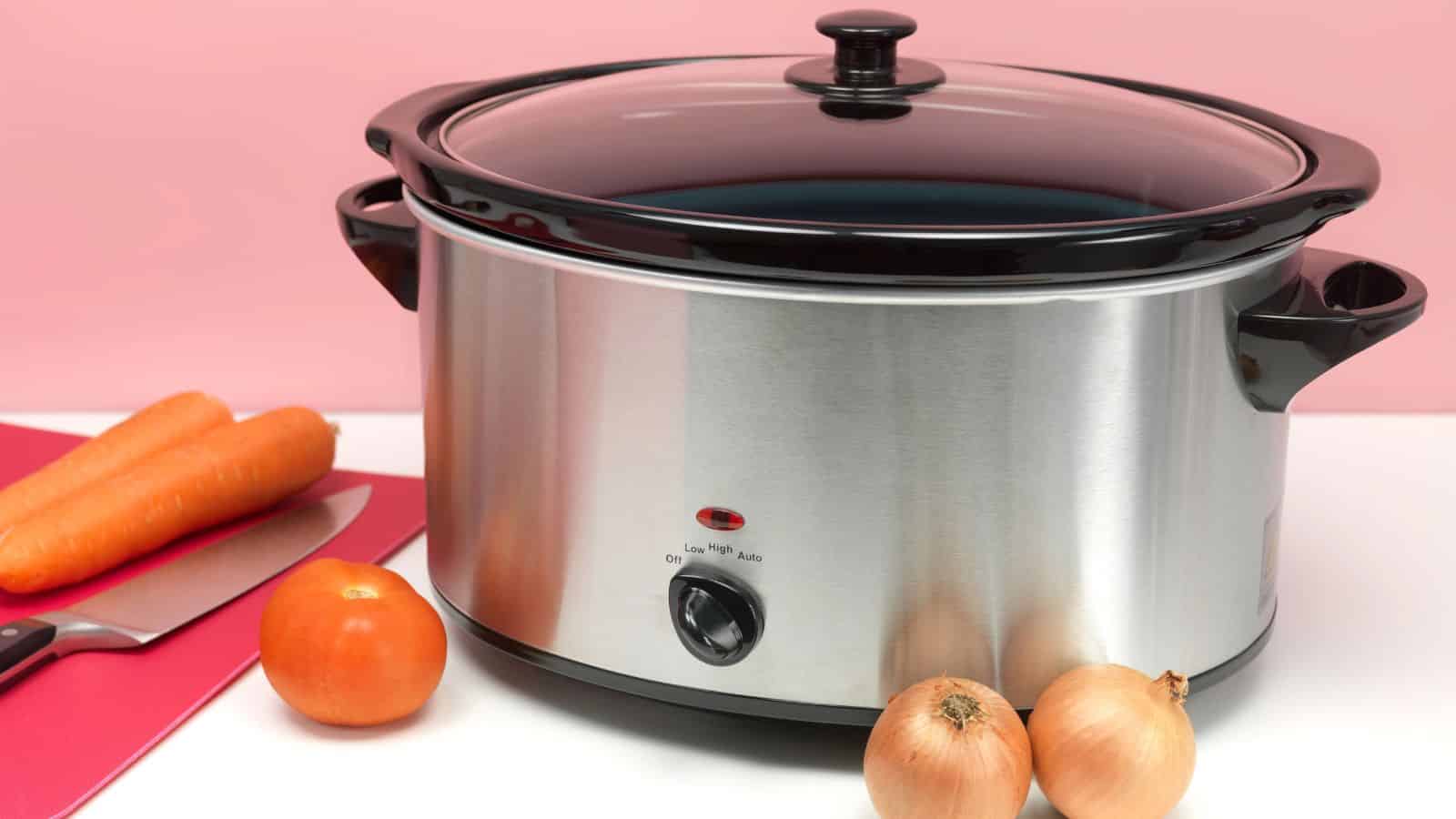
Size depends on how much food you want to make, how many people you're feeding, and how much storage space you have.
Three to four quarts works well for smaller households or side dishes. Six-quart models are the most common and suit most standard recipes. If you often cook for a crowd or like to plan for leftovers, consider an eight- or ten-quart option.
Think about storage too. Larger slow cookers can be bulky and take up more cabinet or counter space.
Cleaning Tips
Choose a model with a removable insert for easier cleanup. After cooking, let it soak in the sink for half an hour. If food sticks, sprinkle baking soda on a damp cloth and gently scrub. Baking soda is effective and safe for most surfaces.
Want to save this?
Always let the base cool completely before cleaning. Wipe it with a damp cloth to remove any spills. Dry both the base and the insert before storing.
Slow cooker liners can also help with quick cleanup, though soaking and hand washing works fine if you prefer to skip the extras.
Why Slow Cookers Work for Busy Schedules

Slow cookers help reduce hands-on time. You can prep everything in the morning and focus on your day while it cooks. They use one pot, which cuts down on dishes. Long cooking times allow less expensive ingredients to break down and become tender.
You’ll be less likely to order takeout when there’s already something hot and ready at home. Slow cookers also don’t heat up the kitchen the way ovens do, which can be helpful on warmer days.
Long cooking helps ingredients like garlic, herbs, and spices become more pronounced, which adds depth to your meals.
Getting the Timing Right
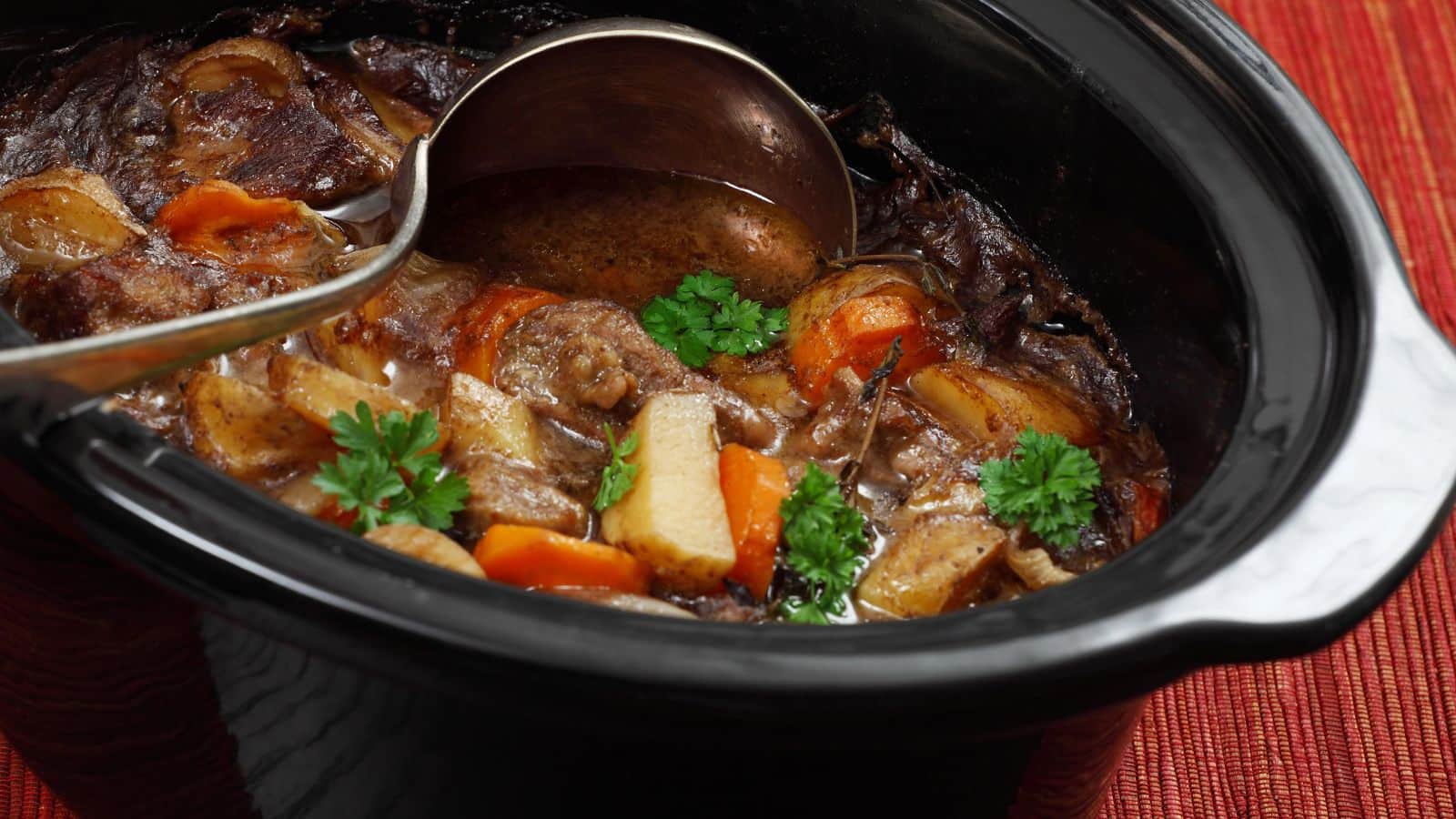
Many recipes follow the general rule of six to eight hours on LOW or three to four on HIGH. But exact timing depends on what you're making.
Chicken breasts are usually done after two and a half to three hours on LOW. Pork loin can take about six hours, depending on whether you want it shredded or sliced. Chuck roast benefits from the full eight hours and turns out tender.
Use a meat thermometer to check for doneness. This is especially helpful with poultry and pork. Since slow cookers vary, it helps to take notes so you can adjust future recipes as needed.
Keep It Simple and Use It Often
Start with trusted recipes from your manual or reliable sources. As you use your slow cooker more often, you’ll get more confident and learn what works best for you.
For busy households, slow cookers are a practical tool for getting dinner done with minimal prep and cleanup. Choose a model that fits your routine and it can easily become one of your go-to kitchen helpers.
This article originally appeared on Food Drink Life.




Leave a Reply