
Five small habits are the reason slow cooker dinners come out watery, grainy, or an hour late. I have made every one of them. Fixing them costs about five minutes at the start of the day.
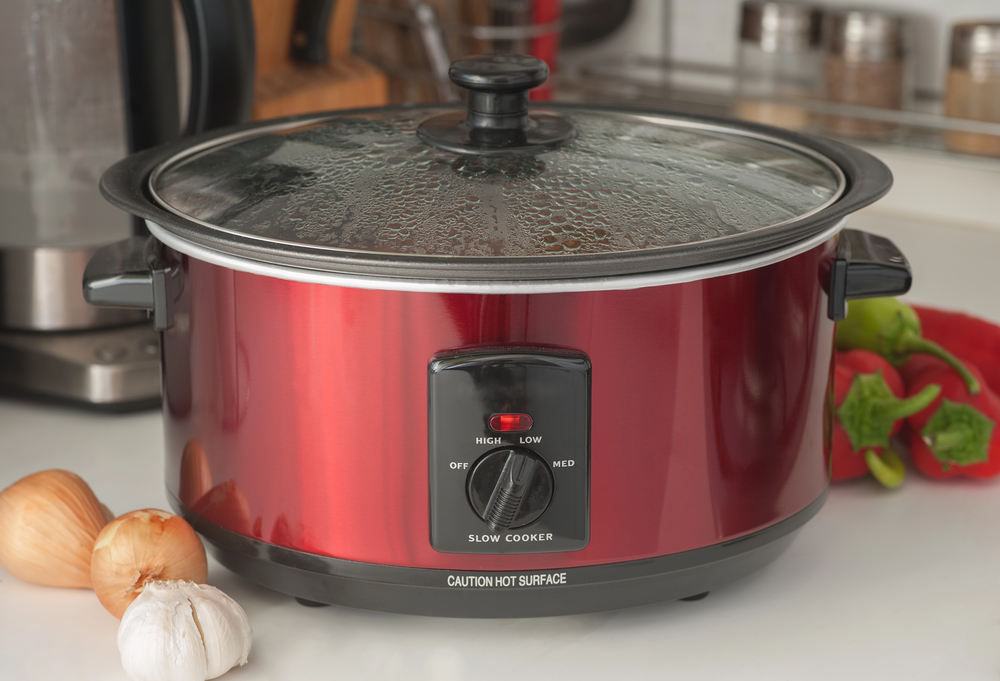
The slow cooker started life as a bean pot. Rival bought a machine called the Naxon Beanery in 1970 and sold it the next year as the Crock-Pot. It arrived just as more women were leaving the house for work, and the promise was simple. Food cooks while you are gone. That promise still holds, as long as you set the thing up properly in the morning.
Done right, a slow cooker gives you meat that pulls apart under a fork and sauce with real depth to it, none of which needs watching. Done wrong, you get thin gravy, gritty cheese sauce, and a pot roast that is somehow dry at the edges and underdone in the middle. The gap between those two dinners is almost never the recipe. If the machine is new to you, my guide on how to use your slow cooker covers the basics before any of this.
I did not grow up with one. I started cooking at thirteen, in Beersheba, because the one grandmother in our family who could really cook had moved out and my mother had decided she was finished catering to everyone's separate demands. So I learned at the stove, watching things change and adjusting as I went. A machine you fill in the morning and then ignore until evening was the opposite of everything I understood about cooking, and it took me years to trust it. Nothing about it looks like anything is happening.
What convinced me was a Wednesday in Montreal with a full workday, two school pickups, and no plan for dinner. I put chicken and vegetables in at eight in the morning and did not think about it again until six. That is the whole appeal, and it is worth protecting.
Nearly every mistake below comes down to two things, heat and time. The decisions you make before you walk out the door decide what is waiting when you get back.
Putting Raw Meat Straight Into the Pot
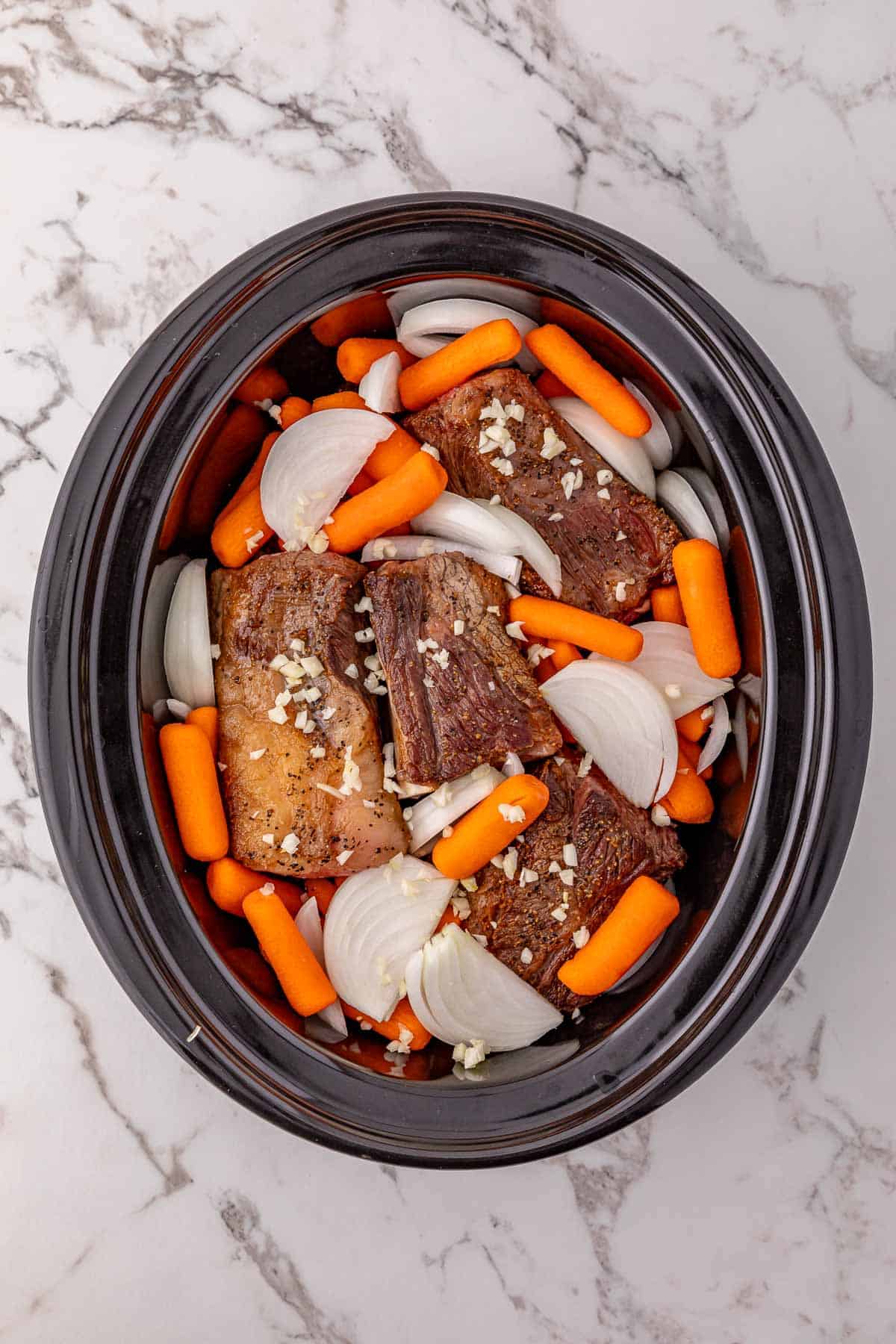
Dropping raw meat into the crock and closing the lid feels like the entire point of owning one. Sometimes it is. Plenty of recipes are written that way, especially ones using fatty cuts or a sauce with enough going on to carry the whole dish.
But when a recipe tells you to brown the meat first, it is not being fussy. Raw meat lets go of water as it heats. That water turns to steam, the steam has nowhere to escape, and by hour six your sauce has been watered down from the inside. The meat cooks through and tastes of almost nothing.
Browning changes that. A hot pan and a few minutes per side turn the surface deep brown and create hundreds of new tastes that were not there before, which is the same reason a seared steak tastes nothing like a boiled one. Scrape the stuck brown bits off the pan with a splash of stock or wine and pour all of it into the crock, where it spreads through the sauce over the next several hours.
The whole thing costs five minutes and one extra pan to wash. The alternative is standing at the stove at dinnertime, adding salt and tomato paste to a pot of pale stew, trying to put back something you could have had for free that morning. My slow cooker beef bourguignon leans on that first browning more than any other recipe I make, and it is the clearest example I have of what it is worth.
Opening the Lid to Look
The whole machine runs on trapped steam. It holds the heat level and keeps food from drying, and none of that happens once the lid comes off.
Lift it and the heat walks out, taking the simmer with it. The machine then spends the next twenty to thirty minutes climbing back to where it started. Three peeks across a full day of cooking quietly adds an hour to the clock. The roast you planned for six is ready at seven, and you find that out at six.
Those swings cause knock-on problems. Beans refuse to soften while the liquid around them turns watery, and the instinctive response is to give it a stir, which pops the lid off again and slides the whole thing further backwards. It is an easy loop to fall into and a hard one to spot from the inside.
The fix is dull. Put the lid on, start the timer, and go do something else. If you genuinely need to look, save it for the last half hour, then shut it again.
This matters most with anything delicate sitting on top. My slow cooker matzo ball soup is the best test I know, because matzo balls need undisturbed steam to swell. Open the lid partway through and they come out dense and heavy, and nothing you do afterwards will fix them.
Want to save this?
Too Much Food, or Too Little
Fill level does more work than most people give it credit for. You want the crock somewhere between half and two thirds of the way up. Brothy dishes can sit a little higher, around three quarters. Above that line you are fighting the machine rather than using it.
Overfill it and heat stops moving through the pot. Everything floats, nothing softens, and the inside never reaches a proper simmer. At hour eight you find food that is hot and still somehow not cooked.
Underfill it and you get the reverse. Too little in the pot means nothing to soak up the heat, so it runs hard, and a burnt ring bakes itself onto the side of the crock while there is still liquid sloshing around inside. Meat at the edges goes dry and tough while the middle turns out fine.
What the machine wants is enough weight to hold an even simmer and enough clear space above for steam to circulate. Thirty seconds of looking at the pot before you switch it on avoids the whole problem. My slow cooker lentil and carrot soup is one where I pay close attention, since lentils swell far more than people expect and a pot that looked reasonable at breakfast can be pressing on the lid by lunchtime.
Cream and Cheese Going In Too Early
Dairy added first thing in the morning behaves perfectly for most of the day. The trouble shows up right at dinner, when what should have been sauce turns out to be something grainy and split.
Dairy cannot take eight hours of low heat. The proteins tighten, the fat splits off, and you are left with a thin gritty liquid that no amount of stirring brings back. It is one of the few slow cooker problems with no rescue at all.
Waiting is the whole answer. Let the meat, the vegetables, and the stock go all day. Save the cheese, cream, yogurt, and sour cream for the final stretch, once the heat has come down and you are standing over the pot anyway.
Some dairy handles heat better than the rest. Heavy cream survives where plain milk will not, and the extra fat is the reason. Evaporated milk is reliable. Cream cheese behaves as long as you cube it and scatter the pieces over the top near the end, instead of stirring it through cold. My slow cooker cheesy potato soup with broccoli adds the dairy this way on purpose, and that timing is the only reason it comes out smooth.
Cooking Straight From Frozen
Frozen ingredients look like a shortcut on a bad morning. With meat they are a real safety problem, and with vegetables they quietly wreck the sauce.
Start with the meat, because this is the one that actually matters. A slow cooker climbs to temperature slowly, which means frozen chicken or beef spends hours crossing the range from roughly 40 up to 140 degrees Fahrenheit. That range is where bacteria multiply fastest, and food safety guidance is consistent about it. Thaw first. Shift it into the fridge the evening before, or bag it tightly and leave it submerged in cold tap water for two or three hours.
Frozen vegetables are a different problem, less dangerous and more disappointing. Every piece arrives coated in ice with more water locked inside it. That all ends up in the pot, dropping the simmer and thinning out whatever sauce you were counting on.
You can still use them. Rinse the ice off under the tap, pat them dry, and cut the liquid in the recipe by about a third to make up for what they will let go anyway. Frozen starches behave better than most, which is why my slow cooker crack potato soup with frozen hash browns works as written. Those hash browns go in frozen on purpose, and the recipe already accounts for the water they release.
Getting Out of Your Own Way
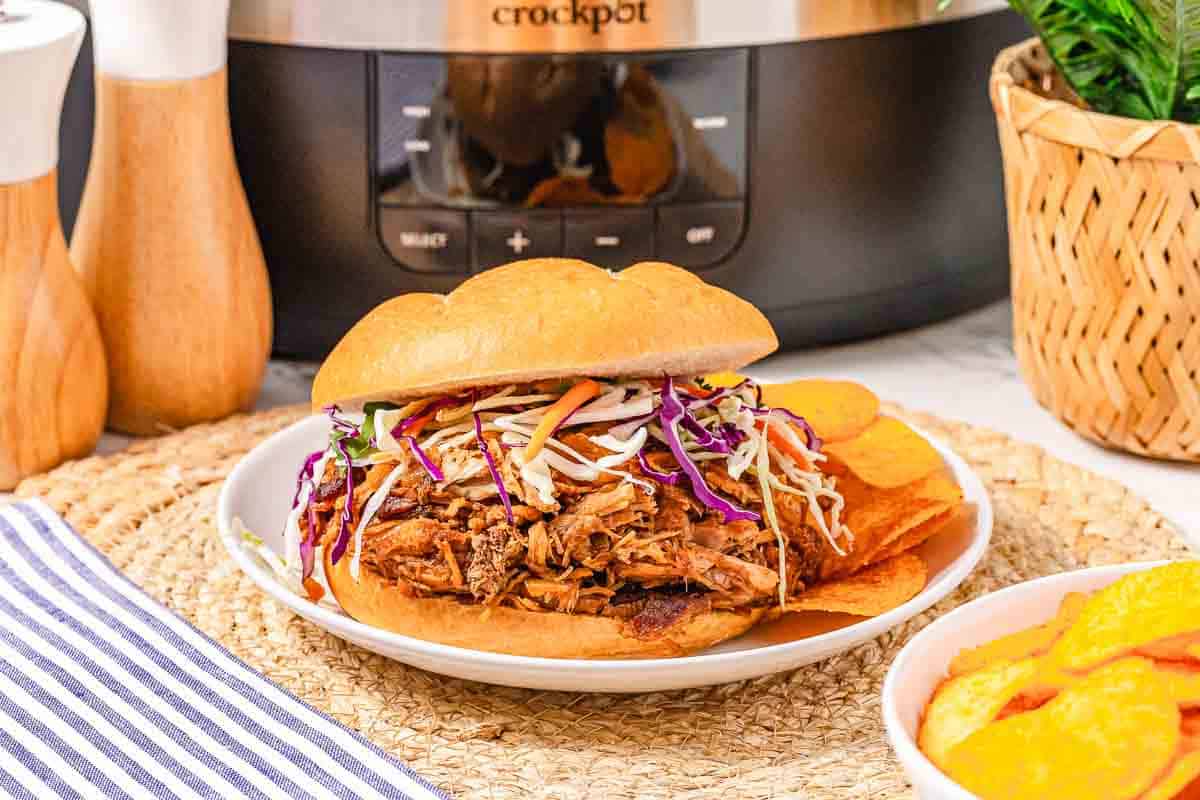
These five cover almost every slow cooker dinner I have watched go wrong, including plenty of my own. Brown the meat when the recipe asks for it, leave the lid down, watch the fill line, hold the dairy until the end, and thaw anything with meat in it. None of that takes more than a few extra minutes before you leave the house.
What you get back is the thing the machine was sold on in the first place. You go out, you come home, and dinner is ready and worth eating. No thin gravy, no waiting around at seven, and nothing left to repair that you set up wrong at breakfast.



sara says
Thanks for the information.. Very helpful..