
These 19 ancient recipes prove that some meals never needed modern updates to stay relevant. Long before trends came and went, these dishes were already feeding families with real flavor and purpose. Their ingredients are simple, their methods proven, and their place in history still holds. If you're tired of chasing food fads, these are the recipes worth remembering.

Colombian Arepas

Colombian arepas are corn cakes that trace back to Indigenous communities long before modern tools or packaged food. Made from ground maize and cooked on a griddle, they’ve stayed unchanged for centuries. This ancient recipe proves that some food traditions don’t need fixing—they just work. Arepas haven’t followed food trends because they were here before trends existed.
Get the Recipe: Colombian Arepas
Roasted Eggplant and Tomato Dip

Roasted eggplant and tomato dip is built on ancient Moroccan techniques of fire-roasting vegetables with simple spices and oil. Known as zaalouk, it carries the flavors of North African kitchens that cooked with what grew nearby. This ancient recipe still beats modern dips with nothing but patience and tradition. Its roots are older than store-bought hummus and stronger in flavor.
Get the Recipe: Roasted Eggplant and Tomato Dip
Roasted Carrot Hummus

Roasted carrot hummus combines chickpeas and root vegetables that were staples in some of the world’s earliest diets. It leans on ingredients tied to Middle Eastern farming history and uses methods that haven’t changed much. This ancient recipe shows how flavor was always built from what was close, not complicated. It’s not modernized—it’s just remembered.
Get the Recipe: Roasted Carrot Hummus
Moussaka

Moussaka layers vegetables and sauce the same way it did in ancient Mediterranean kitchens, where nothing fresh was wasted. Its roots stretch through Greek and Arabic traditions, always relying on seasonal produce and long-cooked flavor. This ancient recipe holds up because it never needed shortcuts. Every layer still builds on centuries of kitchen wisdom.
Get the Recipe: Moussaka
Russian Vinaigrette Salad

Russian vinaigrette salad comes from a history of preservation, where vegetables were stored for cold months and turned into meals with care. With beets, potatoes, and pickles, it reflects Eastern European methods that focused on what was available, not what was trendy. This ancient recipe worked because it had to—now it works because it’s good. It’s proof that practicality can outlast performance.
Get the Recipe: Russian Vinaigrette Salad
Cherry Cobbler

Cherry cobbler has roots in centuries-old dessert traditions, where fruit was stewed and baked under simple dough to avoid waste. It was never about perfection, just making use of what was ripe and ready. This ancient recipe continues because it never needed an update. It held on while everything around it tried too hard.
Get the Recipe: Cherry Cobbler
Rice and Lentils

Rice and lentils fed generations across regions, from the Middle East to South Asia, with no need for meat or trend-based reinvention. Caramelized onions add depth without moving away from its humble structure. This ancient recipe proves that balance and nourishment always mattered more than novelty. It's the dish that kept communities going long before food became content.
Get the Recipe: Rice and Lentils
Instant Pot Chicken Ghallaba

Instant Pot chicken ghallaba takes a centuries-old Middle Eastern stir-fry and cooks it with modern speed, without losing its foundation. The combination of peppers, chicken, and bold spices stays rooted in tradition. This ancient recipe proves that adaptation doesn’t mean losing your base—it means keeping it alive. The pressure cooker didn’t change the story, just the pace.
Get the Recipe: Instant Pot Chicken Ghallaba
Russian Cured Salmon

Russian cured salmon is made the way food had to be—salted and stored when refrigeration didn’t exist. Using only salt and time, it echoes preservation methods used throughout Northern Europe. This ancient recipe didn't just survive—it built a reputation on patience and precision. It was a necessity once and a treasure now.
Get the Recipe: Russian Cured Salmon
Beetroot Cured Salmon
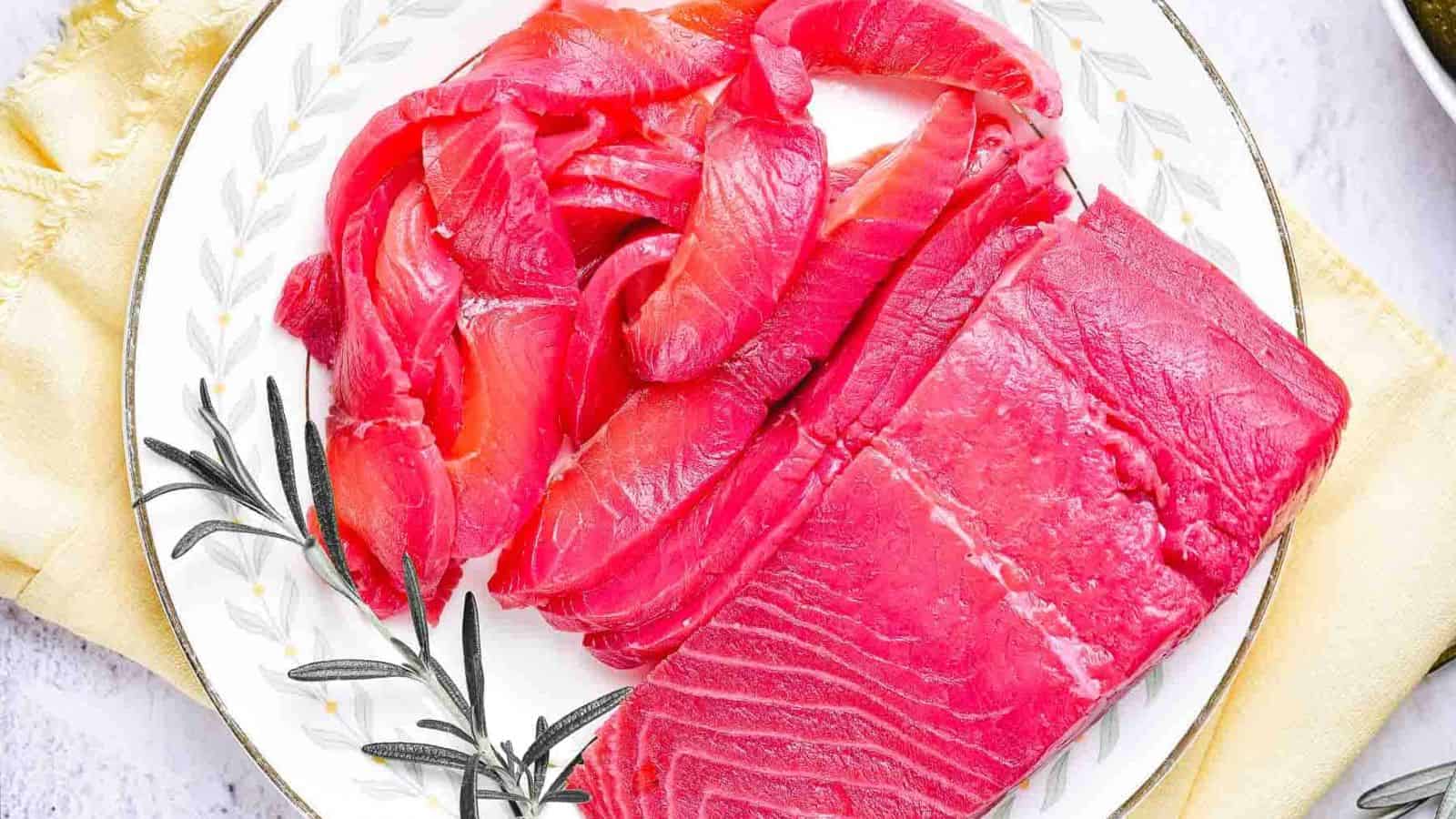
Beetroot cured salmon is an extension of old curing methods, using beets for color and a hint of sweetness without changing the core. The technique stays tied to ancient preservation, where salt was the only tool needed to keep food edible. This ancient recipe stayed relevant because the method never failed. Only the color changed—everything else stayed rooted.
Get the Recipe: Beetroot Cured Salmon
Bourekas Pinukim

Bourekas pinukim come from centuries of Sephardic cooking, shaped by travel, survival, and the need for portable meals. Egg and tahini as a filling reflect how old-world pantries made the most of every item. This ancient recipe kept going because it worked across borders and ovens. These weren’t made for trends—they were made for moving forward.
Get the Recipe: Bourekas Pinukim
Slow Cooker Greek Chicken

Slow cooker Greek chicken uses lemon, oregano, and olive oil—the same ingredients that fed ancient Mediterranean families. While the appliance changed, the recipe still leans on timeless flavor pairings. This ancient recipe has lasted because it never asked for more than what it had. It moved into the slow cooker without losing its past.
Get the Recipe: Slow Cooker Greek Chicken
Amish Macaroni Salad

Amish macaroni salad may seem simple, but it draws from early American food values—practicality, preservation, and no waste. It’s built from pantry staples and passed down in handwritten notes and mental measurements. This ancient recipe isn’t flashy, but it never needed attention to prove itself. It held its ground quietly, and that’s why it stuck.
Get the Recipe: Amish Macaroni Salad
Salisbury Steak with Mushrooms

Salisbury steak with mushrooms may be modern by name, but the method behind it mirrors ancient ways of stretching meat and layering flavor. Its roots connect to centuries of mixing ground meats with grains, spices, and broth. This ancient recipe holds its place not through novelty but through structure that still works. It didn't invent the method—it just gave it a name.
Get the Recipe: Salisbury Steak with Mushrooms
Eggplant Shakshuka

Eggplant shakshuka expands on a dish that’s been part of North African and Middle Eastern breakfasts for generations. It starts with spiced vegetables and ends with eggs poached right in the sauce. This ancient recipe didn’t chase variety—it delivered it through simplicity. It remains on the table because it still fills the pan with meaning.
Get the Recipe: Eggplant Shakshuka
Bucatini Cacio e Pepe

Bucatini cacio e pepe comes straight from Roman times, using just pasta, cheese, and pepper to build deep, lasting flavor. There’s no flair—just old logic and good ingredients. This ancient recipe is still made the same way because the method never failed. Each forkful keeps history in motion, not memory.
Get the Recipe: Bucatini Cacio e Pepe
Pasta e Fagioli Soup

Pasta e fagioli soup traces back to rural Italian kitchens that turned beans and noodles into filling, everyday meals. It used pantry items to stretch food without stretching budgets. This ancient recipe still holds up because it worked when nothing else did. It carried generations through hardship without needing to explain itself.
Get the Recipe: Pasta e Fagioli Soup
Vegetarian Biryani Rice

Vegetarian biryani rice is built from an old style of layered cooking that blended rice, spices, and vegetables over time. Rooted in Mughal and Persian traditions, it prioritized depth and slow-cooked balance. This ancient recipe proves that layering wasn’t invented—it was inherited. Each grain carries weight older than most modern menus.
Get the Recipe: Vegetarian Biryani Rice
Chicken and Date Casserole
Chicken and date casserole uses ingredients that go back to the beginning—dates, olives, spices, and slow-cooked meat. It reflects Middle Eastern methods that built entire meals in clay or over fire. This ancient recipe is more than a dish—it’s a story told through ingredients that never left. It didn’t change because it didn’t have to.
Get the Recipe: Chicken and Date Casserole


Leave a Reply