
Discover how to choose the perfect slow cooker with our slow cooker buying guide, from features, to sizes, tips, and benefits for easy, delicious meals every day!

Slow cooking give busy home cooks an efficient solution for preparing delicious meals with minimal effort. This kitchen appliance transforms inexpensive ingredients into tender, flavorful dishes while you go about your day. Within hours, tough cuts of meat become so soft and vegetables develop rich, complex flavors.
So before you commit to a machine, here's everything you need to know before buying a slow cooker in our slow cooker buying guide.
Why Slow Cookers Work So Well

The convenience factor alone makes slow cookers worth considering. Load ingredients in the morning, set the timer and return home to aromatic, ready-to-serve meals. This method eliminates the temptation of expensive takeout and helps stretch grocery budgets by making cheaper cuts of meat incredibly tender.
Beyond convenience, slow cookers use less energy than conventional ovens and won't heat up your kitchen during warm weather. The long, gentle cooking process allows flavors to meld and intensify while breaking down tough meat fibers naturally.
Choosing the Right Slow Cooker
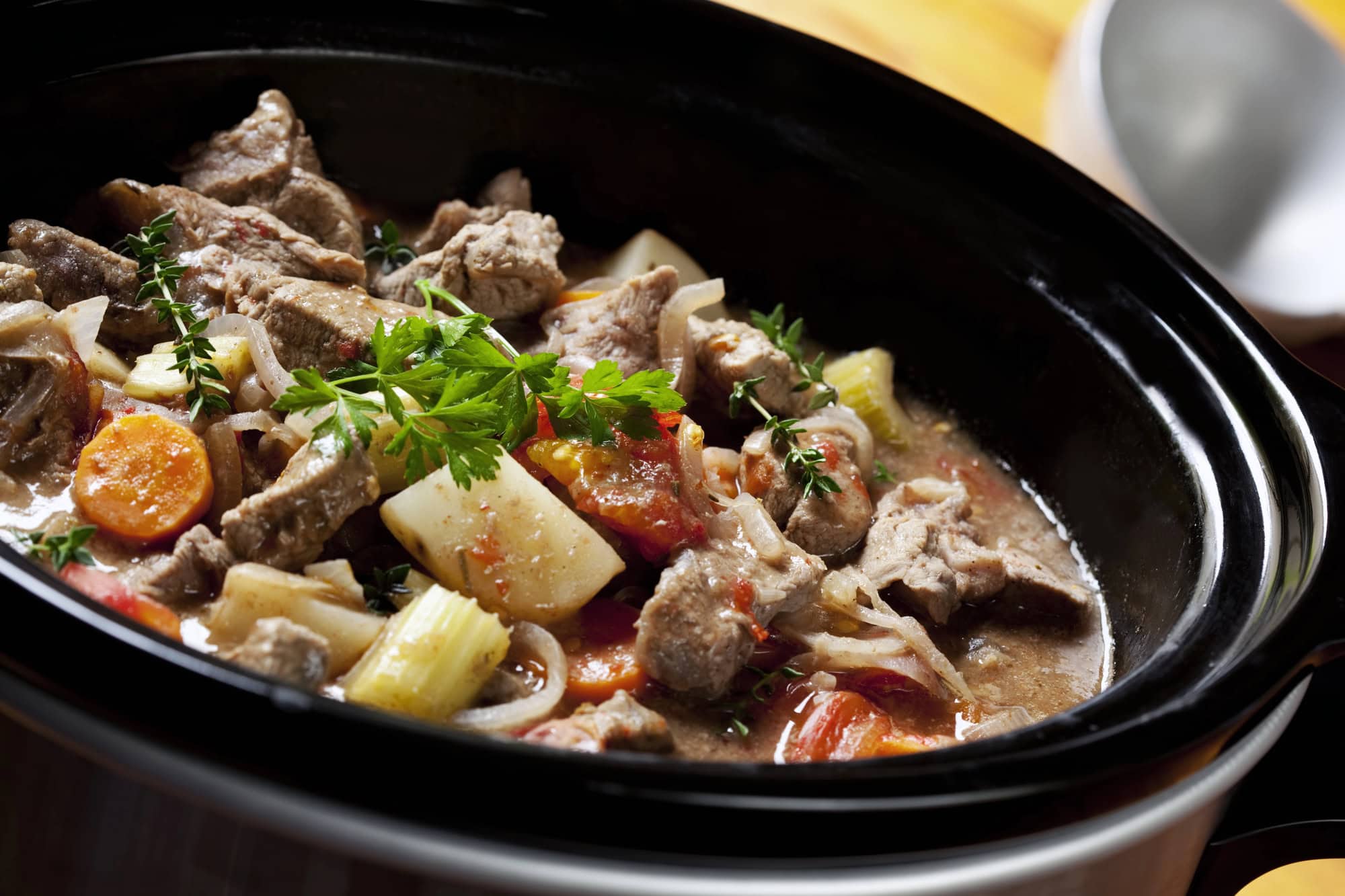
Several key features separate good slow cookers from great ones. A glass lid proves essential for monitoring food without releasing heat. Every time you lift the lid, valuable cooking heat escapes and extends cooking time.
Essential features to consider Basic models offer HIGH, LOW and KEEP WARM settings, which handle most cooking needs adequately. Premium models may include searing capabilities, timers and additional cooking functions like braising or baking. Choose features you'll actually use rather than paying for unnecessary extras.
Automatic timers add significant convenience by switching to "keep warm" mode when cooking completes. This prevents overcooking if you're delayed getting home from work.
Size Considerations

Most slow cooker recipes target 6-quart models, making this size ideal for beginners. Smaller households may prefer 3 or 4-quart units, though scaling recipes down requires some adjustment. Larger families or those who enjoy meal prep benefit from 8 or 10-quart models.
The 6-quart size accommodates whole chickens, medium roasts and generous portions of soups or stews. It provides enough food for a family of four with leftovers for the next day.
Maintenance and Cleaning
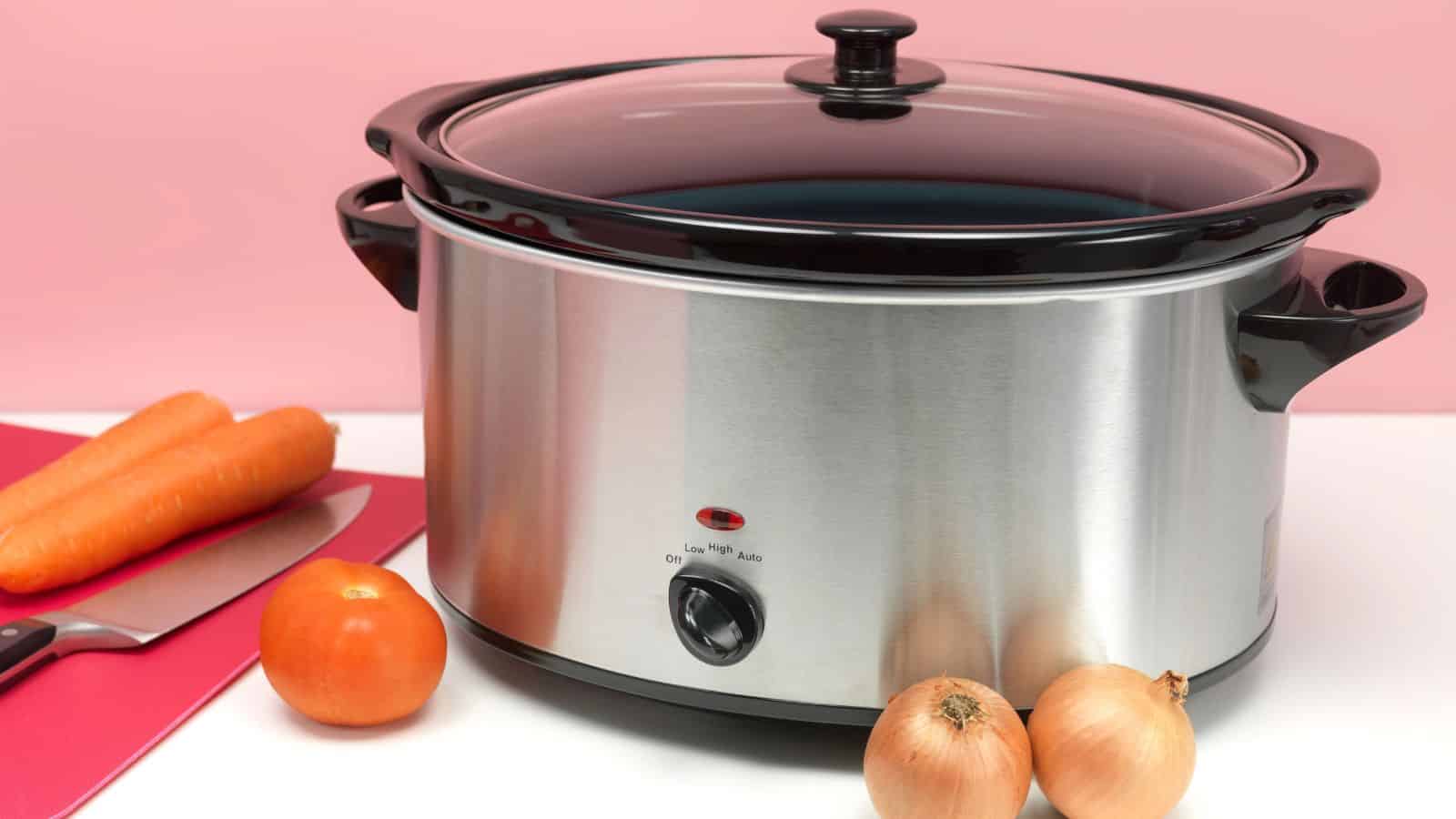
Slow cookers require minimal maintenance when chosen and used properly. Models with removable ceramic inserts simplify cleaning significantly. The insert can go directly into the sink for soaking while the base stays on the counter.
Want to save this?
Soaking the insert for 30 minutes to an hour loosens most food residue. For stubborn spots, baking soda on a damp cloth provides gentle abrasion without scratching the surface. Disposable liners work well for particularly messy dishes but aren't necessary for routine use.
Understanding Slow Cooking Benefits
The extended cooking time at low temperatures in the slow cooker produces several advantages over conventional cooking methods. Tough, inexpensive cuts of meat become fork-tender as collagen breaks down into gelatin. This process can't be rushed with higher heat without compromising texture.
Flavors develop more completely during slow cooking as ingredients have hours to interact. Herbs, spices and aromatics penetrate food more thoroughly than quick cooking methods allow. The sealed environment retains moisture while concentrating flavors.
Timing Your Meals Properly
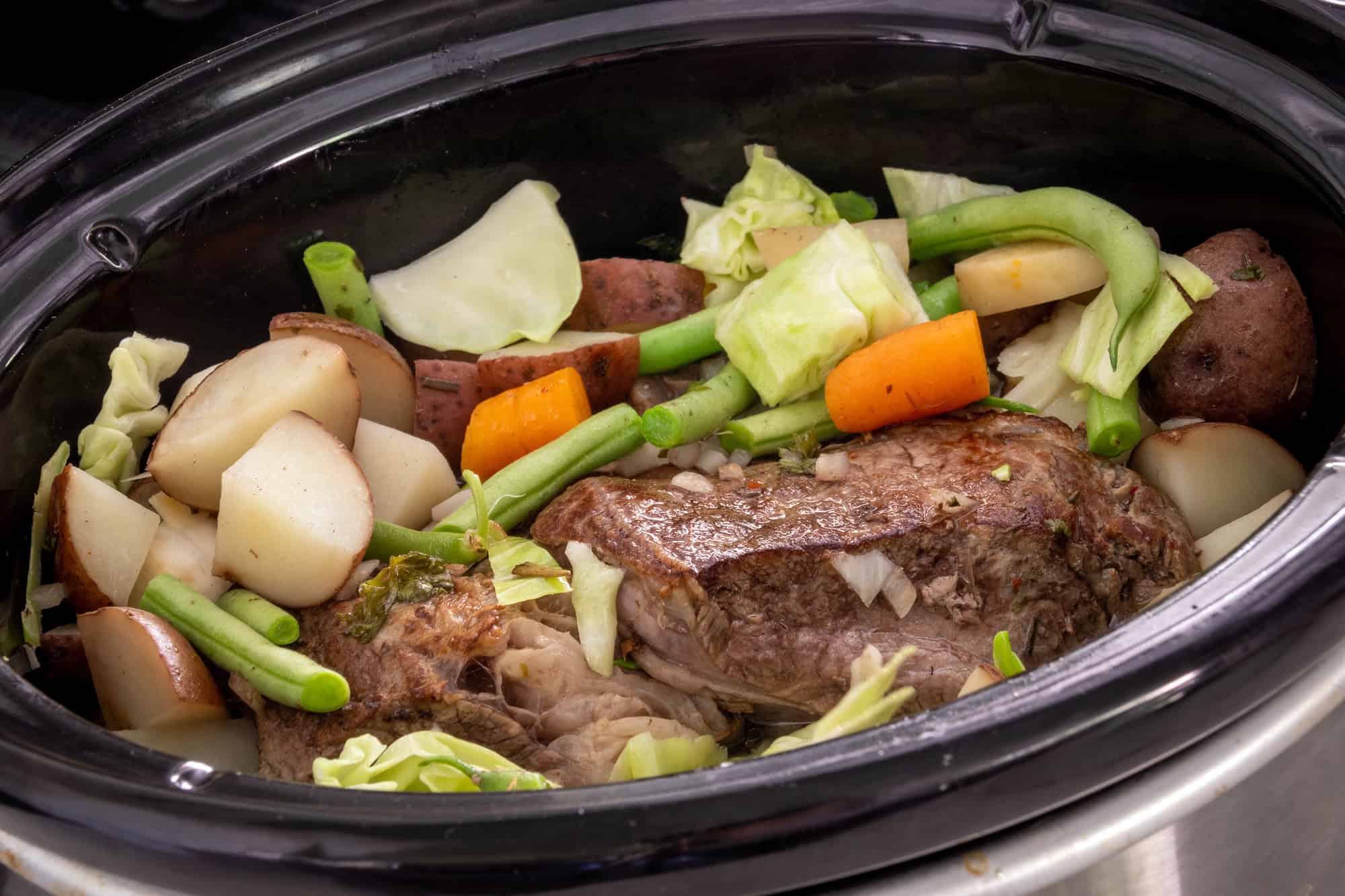
Standard recipe timing suggestions serve as starting points rather than absolute rules. Different ingredients require different cooking times, just as they would in conventional cooking. Chicken breasts cook much faster than beef chuck roast, typically requiring only 2.5 to 3 hours on LOW setting.
Dense vegetables like potatoes and carrots take longer to cook than meat in some cases. Place these items at the bottom of the slow cooker where heat concentrates. Root vegetables may need 6 to 8 hours to become tender.
A reliable meat thermometer eliminates guesswork about doneness. Chicken should reach 165°F, while beef and pork are safe at 145°F for medium-rare or 160°F for more thorough cooking.
Getting Started
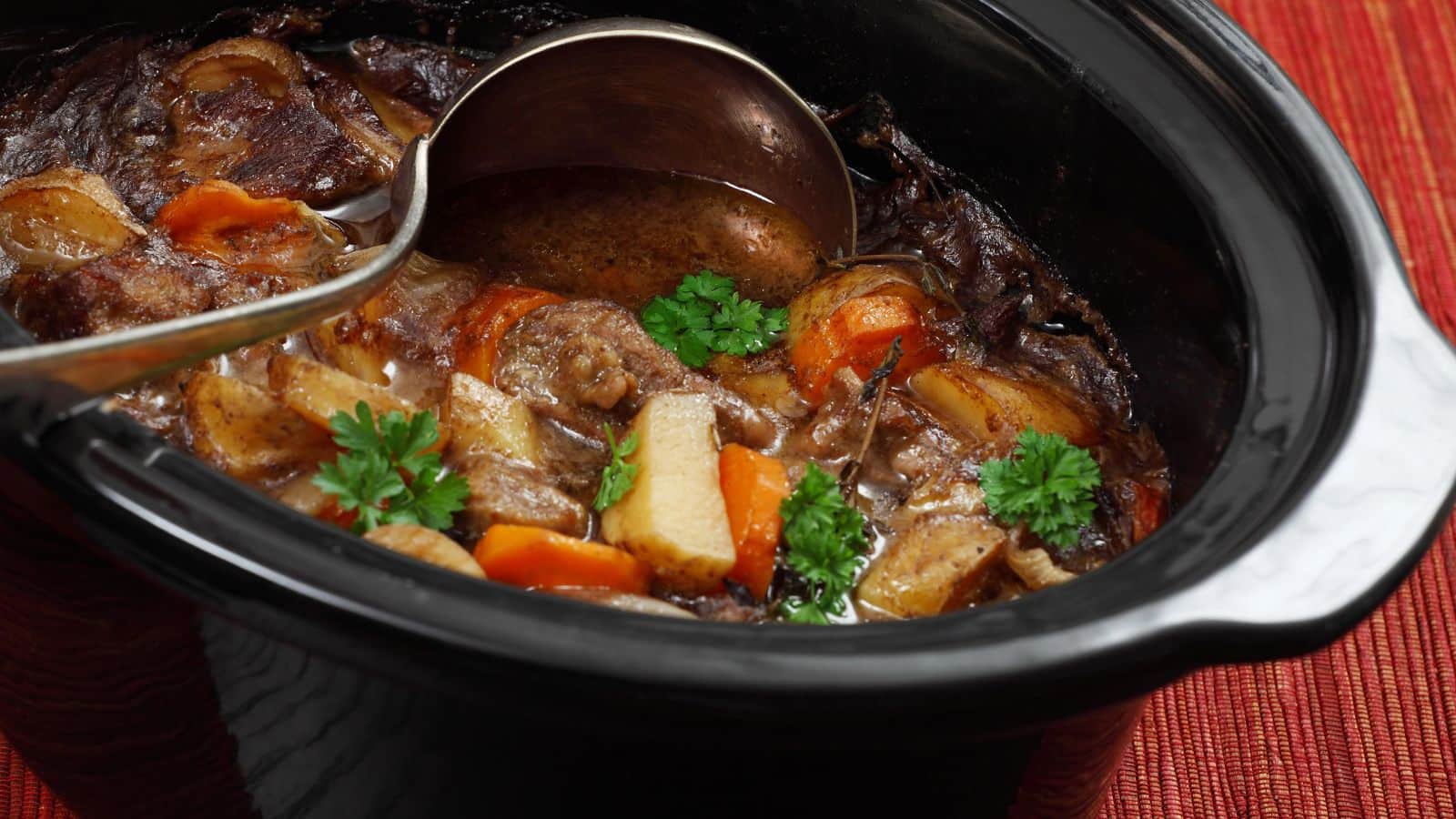
Start simple with proven recipes from trusted sources or manufacturer-provided cookbooks. For ambitious home cooks, slow cooker osso buco transforms tough beef shanks into fork-tender meat through patient braising. This dish demonstrates how slow cooking excels with challenging cuts that become succulent through extended cooking times.
Those interested in seasonal options will find creamy kabocha squash soup showcases how slow cooking brings out the nutty sweetness of winter squashes. The hands-off approach allows busy cooks to prepare nutritious meals while managing other daily tasks.
Simple slow cooker carrot soup makes an excellent beginner recipe, requiring just carrots, onion, garlic, broth and simple seasonings like cumin and ginger. The natural sweetness of carrots develops beautifully during long cooking times.
Each slow cooker operates slightly differently. Some run hotter or cooler than others, and cooking times may vary accordingly. After preparing several meals, you'll understand your appliance's characteristics and can adjust recipes confidently.
Mastering slow cooking techniques opens up possibilities for effortless meal preparation. The investment in a quality slow cooker and the time spent learning proper techniques pays dividends in reduced stress, better meals and significant savings on both groceries and restaurant bills.
This article first appeared in Food Drink Life.
Leave a Reply